Why Businesses Keep Spending More on IT Without Getting Better Results
A company purchases new computers, renews software subscriptions, upgrades its internet connection, and pays someone to fix technical problems. At the end of the year, the technology budget has increased, but employees are still complaining about slow systems and unreliable equipment.
This situation is more common than many business owners realize.
The problem is not always how much money a company spends on technology. Sometimes, it is how those expenses are planned and managed.
When technology purchases happen without a clear strategy, businesses can end up paying for unnecessary equipment, overlapping services, emergency repairs, and systems that do not work well together.
For organizations considering managed IT services Reno, understanding where technology expenses come from is an important starting point.
Why IT Spending Becomes Difficult to Control
Most businesses do not create technology expenses deliberately. They develop over time as new requirements appear.
A computer breaks, so it gets replaced. A department requests new software, so management approves another subscription. The office experiences connection problems, so someone purchases additional networking equipment.
Each decision may seem reasonable on its own.
However, without a complete view of existing systems, companies can spend money repeatedly without addressing the underlying causes of their problems.
A business might replace computers when the actual issue is a poorly configured application. It might purchase more internet bandwidth when outdated networking equipment is limiting performance.
These decisions can make IT spending unpredictable.
Emergency Repairs Often Cost More Than Planned Maintenance
When technology fails unexpectedly, businesses have limited time to evaluate their options.
An employee may need a replacement computer immediately. A damaged network device may require urgent attention. A critical application may stop working during an important business activity.
Under these circumstances, price becomes less important than getting operations back to normal.
Emergency work can involve additional labor charges, expedited equipment purchases, and temporary solutions that were never part of the original budget.
Companies using Reno managed tech services can take a more organized approach by reviewing equipment condition, maintenance requirements, and potential replacement needs before an emergency occurs.
Not every failure can be prevented, but planning can reduce the number of surprises.
The Real Cost of Keeping Old Equipment
Replacing working equipment may appear wasteful, especially when a business is trying to control expenses.
However, keeping computers, servers, or network devices for too long can create costs of its own.
Older computers may take longer to start, struggle with newer applications, or require more frequent troubleshooting.
Outdated equipment may also become incompatible with software updates or lose manufacturer support.
Businesses should evaluate replacement decisions based on performance, maintenance history, security requirements, and employee needs rather than equipment age alone.
Reno IT infrastructure management can help organizations maintain records of their technology assets and make informed decisions about when upgrades are necessary.
This allows equipment purchases to become part of a planned budget instead of an unexpected expense.
Software Subscriptions Can Quietly Increase Expenses
Many business applications use monthly or annual subscription pricing.
A small subscription may seem insignificant, but costs can increase as companies add employees and applications.
Some businesses continue paying for accounts that are no longer being used. Others purchase multiple applications that perform similar functions.
Annual renewals can also create budget problems when several subscriptions become due around the same time.
Regular software reviews can help businesses identify unused accounts, duplicate services, and applications that no longer meet operational needs.
Business technology support Reno can assist with reviewing software usage and determining whether existing applications are being managed efficiently.
The objective is not to eliminate useful tools. It is to make sure the business receives reasonable value from the services it purchases.
Cheap Technology Is Not Always the Most Affordable Option
Businesses sometimes choose technology based primarily on the initial purchase price.
A lower priced computer may look attractive until employees begin using demanding applications. An inexpensive router may work well for a small office but struggle when dozens of devices connect simultaneously.
Similarly, a software package with a low subscription price may require expensive integrations or additional services to meet business requirements.
The total cost of technology includes more than the purchase price.
Maintenance, support, compatibility, training, licensing, security, and replacement costs should also be considered.
A product that costs more initially may provide better value if it performs reliably and remains suitable for longer.
Cybersecurity Should Be Part of the Budget
Security spending is sometimes treated as optional until a business experiences a problem.
However, cybersecurity involves ongoing responsibilities rather than a single purchase.
Businesses need to consider account protection, device security, software updates, access controls, employee awareness, and appropriate monitoring.
Managed cybersecurity services Reno can help organizations evaluate their security requirements and incorporate suitable protections into their technology planning.
Security investments should reflect the business’s actual risks, systems, and information.
A small professional office may have different requirements from a company handling large volumes of sensitive customer records.
The important point is to make security part of routine planning rather than an expense considered only after an incident.
Support Costs Should Be Predictable
Businesses often compare IT support providers based on hourly rates.
However, the hourly rate does not always reveal the full cost of support.
A company may pay separately for troubleshooting, maintenance, security work, software assistance, emergency visits, and network administration.
These expenses can become difficult to predict when support is purchased only after something goes wrong.
Organizations exploring 24/7 IT Support Reno should examine what services are included, how urgent requests are handled, and whether additional charges apply outside normal business hours.
A predictable support arrangement can make budgeting easier, but businesses should carefully review service agreements rather than assuming every technical requirement is covered.
Cloud Spending Requires Regular Attention
Cloud technology has changed how businesses purchase computing resources.
Instead of purchasing and maintaining every system locally, companies can subscribe to cloud applications, storage, and infrastructure.
This can provide flexibility, but cloud costs still need oversight.
Storage requirements may increase. Additional users may require more licenses. Some services charge according to usage, while others use fixed subscription tiers.
Businesses can also continue paying for cloud resources that are no longer necessary.
Regular reviews help companies understand which services are being used and whether their subscriptions match current requirements.
Technology spending should reflect actual business activity rather than assumptions made when a service was first purchased.
Technology Budgets Should Follow Business Priorities
A growing company may need to support additional employees, new locations, larger customer databases, or more demanding applications.
A business focused on stability may have different priorities, such as replacing aging equipment or improving existing systems.
Technology budgets should reflect these differences.
Technology consulting Reno NV can help organizations connect IT decisions with their operational goals.
Instead of purchasing equipment because it is new or popular, businesses can evaluate whether a proposed investment solves a specific problem.
For example, a company experiencing slow customer service operations may benefit more from improving its existing software configuration than purchasing new computers for every employee.
Clear priorities help businesses spend money where it is most likely to make a difference.
The Office Environment Has Its Own Technology Costs
Office technology expenses are not limited to computers.
Printers, wireless networks, phones, conference room equipment, switches, firewalls, and other devices also require attention.
As an office expands, these systems may need upgrades or additional capacity.
Businesses using Office IT services Reno, Nevada can review workplace technology as part of their overall spending plan.
This can help management account for equipment replacements, network improvements, support requirements, and other expenses that might otherwise be overlooked.
A complete budget should reflect the entire technology environment rather than focusing only on employee computers.
How to Build a More Practical IT Budget
A useful technology budget begins with understanding what the company already owns and uses.
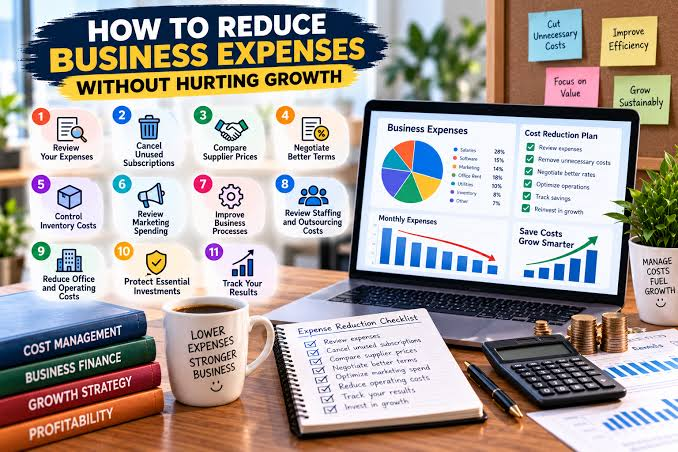
Businesses should review existing equipment, software subscriptions, support agreements, cloud services, and recurring expenses.
Next, management can identify systems that are approaching replacement, applications that may require upgrades, and projects that could improve operations.
It is also sensible to reserve some funding for unexpected issues.
A practical budget can separate expenses into several categories, including regular operating costs, planned replacements, security requirements, future improvements, and contingency funds.
This structure makes it easier to understand where money is going and why particular investments are necessary.
Choosing an IT Partner That Understands Business Costs
When comparing the best technology companies in Reno NV, businesses should consider whether providers can help with long term planning as well as day to day support.
An IT partner should be able to explain the reasons behind recommended purchases, identify unnecessary expenses, and discuss possible alternatives.
Providers such as Office1 can be evaluated according to their service offerings, technical capabilities, pricing structure, and ability to support the company’s future requirements.
The right provider should not automatically recommend replacing every system that develops a problem.
Sometimes maintenance, configuration changes, or better use of existing technology can provide a more practical solution.
Measuring Whether IT Spending Is Actually Working
A technology budget should not be judged only by whether the company stayed within its spending limit.
Businesses should also consider whether their systems are performing better.
Useful indicators may include fewer recurring technical problems, faster issue resolution, improved application performance, reduced unnecessary subscriptions, and more predictable equipment replacement costs.
Employee feedback can also provide valuable information.
If staff continue experiencing the same technical frustrations despite significant spending, the company may need to reconsider how its technology decisions are being made.
A successful IT budget should support reliable operations and make future expenses easier to anticipate.
Final Thoughts
Spending more money on technology does not automatically create a better working environment.
Businesses benefit when they understand their existing systems, identify recurring problems, plan equipment replacements, and evaluate purchases against actual operational needs.
A thoughtful approach to IT spending can reduce unnecessary expenses while directing resources toward improvements that matter.
The goal is not simply to make technology cheaper. It is to make every technology investment more purposeful, predictable, and useful to the business.