7 Things You Must Have in Your Home Gym Setup
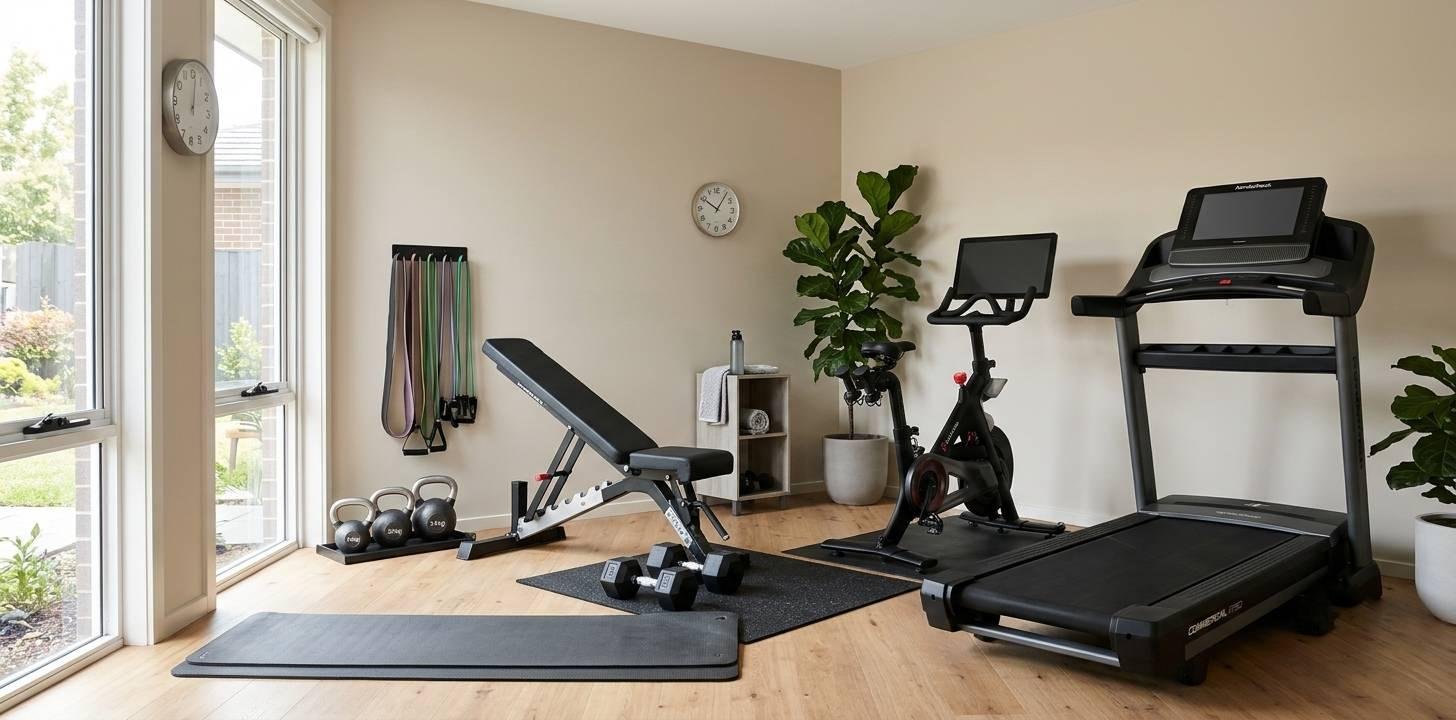
A home gym doesn’t have to occupy an entire garage or look like a commercial fitness center. A few well-chosen pieces of equipment can give you room to work on cardio, strength, mobility, and recovery without filling every corner of your home. The trick is to build around the exercises you actually plan to do. Someone who enjoys running will have different priorities from someone focused on lifting weights. And if you’re working with limited space, versatility matters just as much as the number of items you own. When you decide to buy fitness equipment online, having a clear checklist ensures you invest in items that deliver real value. Whether you’re putting together your first setup or improving an existing workout space, these seven types of equipment are worth considering.
1. Treadmill: For Walking and Running Indoors
A treadmill gives you a dedicated space for walking, jogging, or running without depending on outdoor conditions. Buying this fitness equipment online is especially useful because it supports structured cardio sessions, including steady-paced walks and intervals where you alternate between faster and slower movement.
Some treadmill models also offer adjustable incline and speed settings, allowing you to change the intensity of your session. If you are browsing for an electric treadmill online, comparing specs before making a decision ensures you get the ideal machine for your training space.
What to consider before choosing one:
- Available floor space and ceiling clearance.
- The belt dimensions and whether they suit your stride.
- Speed and incline requirements.
- Folding or storage features, if space is limited.
- Safety features and the machine’s intended use.
2. Stationary Bike: For Indoor Cycling
A stationary bike is another option for cardiovascular exercise. Unlike a treadmill, it allows you to exercise while seated, which some people find more comfortable or convenient. There are several styles to consider, including upright exercise bikes, spin bikes, and recumbent bikes. Their riding positions and intended uses differ, so the best fit depends on your preferences and physical needs. Check the seat adjustment, resistance options, stability, and available space before deciding which type suits your routine.
3. Resistance Bands: Small Equipment With Plenty of Uses
Resistance bands are compact, easy to store, and suitable for a range of exercises. They can add resistance to movements such as rows, presses, squats, and glute exercises. Different resistance levels allow you to adapt an exercise to your current ability. Bands can also help you practice movement patterns before progressing to heavier loads. Because bands are lightweight and portable, they’re particularly practical in smaller home gyms where large machines aren’t an option.
4. Exercise Bench: A More Versatile Strength Setup
A bench provides support for many upper-body and accessory exercises. Depending on its design, it can be used for dumbbell presses, supported rows, seated exercises, and certain core movements. Flat benches offer a straightforward platform, while adjustable benches allow different exercise angles. When choosing a bench, pay attention to its weight capacity, stability, dimensions, and adjustability.
5. Weights: For Building Strength Progressively
Weights let you add resistance and adjust difficulty as you progress. They can be used for full-body training, targeted muscle exercises, and strength-focused sessions. The right selection depends on your experience and goals. Beginners may prefer a modest range of manageable weights, while experienced lifters might need heavier loads and a broader selection.
Common options include:
- Dumbbells
- Kettlebells
- Weight plates
- Power bags
If you want to source quality gear locally, exploring top suppliers for fitness equipment melbourne-wide makes finding durable weight sets straightforward.
6. Bars: For More Barbell Exercises
Bars are useful for people who want to include barbell-based strength training in their home gym. Depending on the bar and the rest of the setup, exercises may include squats, deadlifts, presses, and rows. However, a bar isn’t a complete setup on its own. You’ll need compatible weight plates and, for certain exercises, suitable racks or stands and safety equipment. Before purchasing a bar, check its length, diameter, weight capacity, plate compatibility, and the space required to use it safely.
7. Recovery Equipment: Make Room for Rest
Training is only one part of a fitness routine. Recovery, sleep, and appropriate rest between challenging sessions also matter. The type of recovery equipment you choose depends on what you find useful and how you train. Options in the broader recovery category include equipment such as ice baths, cold plunges, and saunas.
Before using specialized recovery equipment, understand the relevant safety guidance and seek medical advice if you have concerns. A comfortable space to stretch, relax, and recover can be just as important as purchasing additional equipment.
How to Build Your Home Gym Setup in the Best Way?
You don’t have to buy everything at once. Think of the setup as a collection of tools that support different parts of your routine.
|
Equipment |
Main Role |
Best Planning Consideration |
|---|---|---|
|
Treadmill |
Walking and running |
Floor space, belt size, speed and incline |
|
Stationary Bike |
Indoor cycling |
Riding position and resistance |
|
Resistance Bands |
Flexible resistance exercises |
Resistance levels and condition |
|
Exercise Bench |
Supported strength exercises |
Stability and weight capacity |
|
Weights |
General resistance training |
Suitable loads and storage |
|
Bars |
Barbell exercises |
Compatibility and safe lifting space |
|
Recovery Equipment |
Recovery routines |
Safety, suitability, and intended use |
Final Thoughts
You may also like: Herringbone, SPC or Carpet Tiles? The Practical UAE Flooring Guide for Homes and Offices
The best home gym is not necessarily the one with the most equipment. It’s the one that makes your preferred activities practical, comfortable, and repeatable. Start with your goals, measure your available space, and choose versatile equipment that you’ll use regularly. When you are ready to buy fitness equipment online, select reliable suppliers that provide clear dimensions and safety specifications. With a thoughtful setup, even a small area can support a varied and consistent fitness routine.





One Comment